
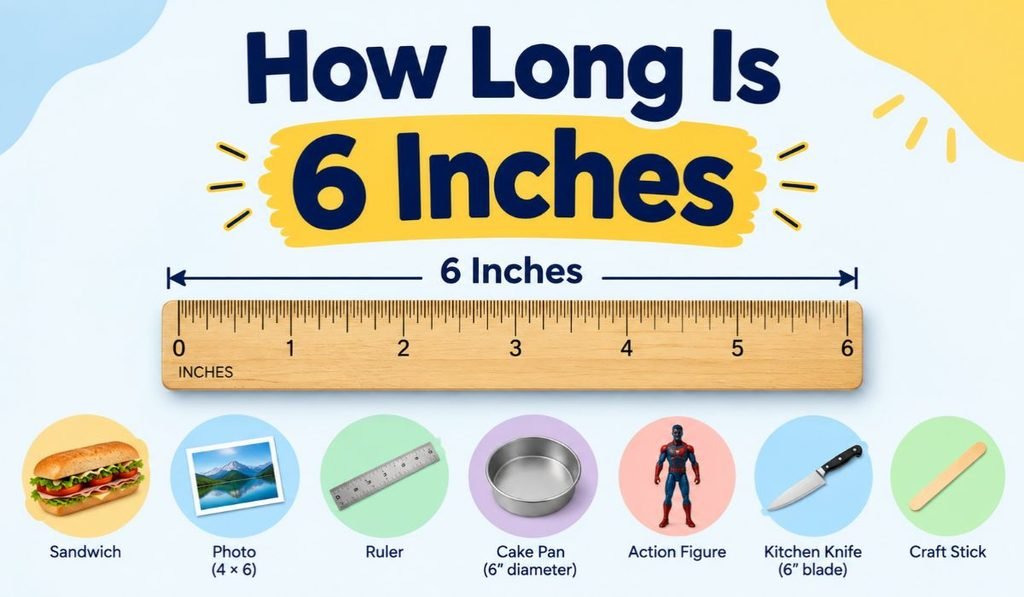
Even when someone states things measure 6 inches in length, it is pretty challenging to envision what this in fact recommends without a ruler or measuring tape. Well, numbers give you the specifics but its familiar objects that make it easier to grasp.
So, how long is 6 inches? 6 Inches is 15.24 Centimetres, 152.4 Millimetres or exactly Half a Foot. This is a pretty short length, one that can be found in many household products, tools, food items, photographs, toys, anything really.
For a quick visual reference, think about several things you already know – experience can help identify this measurement. We outline 14 things you are accustomed to and demonstrate how each allows you to visualize a 6-inch ruler.
How Long Is 6 Inches Exactly?
Here are the basic conversions:
| Measurement Unit | Equivalent of 6 Inches |
| Inches | 6 inches |
| Centimeters | 15.24 cm |
| Millimeters | 152.4 mm |
| Feet | 0.5 ft |
| Yards | 0.167 yd |
| Meters | 0.1524 m |
6 inches is half a foot because 1 foot has 12 inches. In metric, that translates to just over 15 centimeters.
To visualize that in everyday terms, you might picture a line about the length of a small sandwich, or the long edge of a 4 × 6 photograph, or just one medium-sized kitchen tool.
A Simple Way to Picture Six Inches
If you do not have a ruler at hand, start with this concept of half a foot. Take an imaginary ruler and fold a normal 12 inch ruler in half. You have one of those, 6 inches long.
Another technique is to come up with an object in your hand for the measurement. Since hand sizes are different, use your hand as a reference only and not an actual measurement tool.
Perhaps the best types of visual referents are items that are intended to a specific dimension.
14 Everyday Things That Can Help You Visualize 6 Inches
These are helpful examples as they are known and fairly easy to compare to six inches.
1. A 6-Inch Sub Sandwich
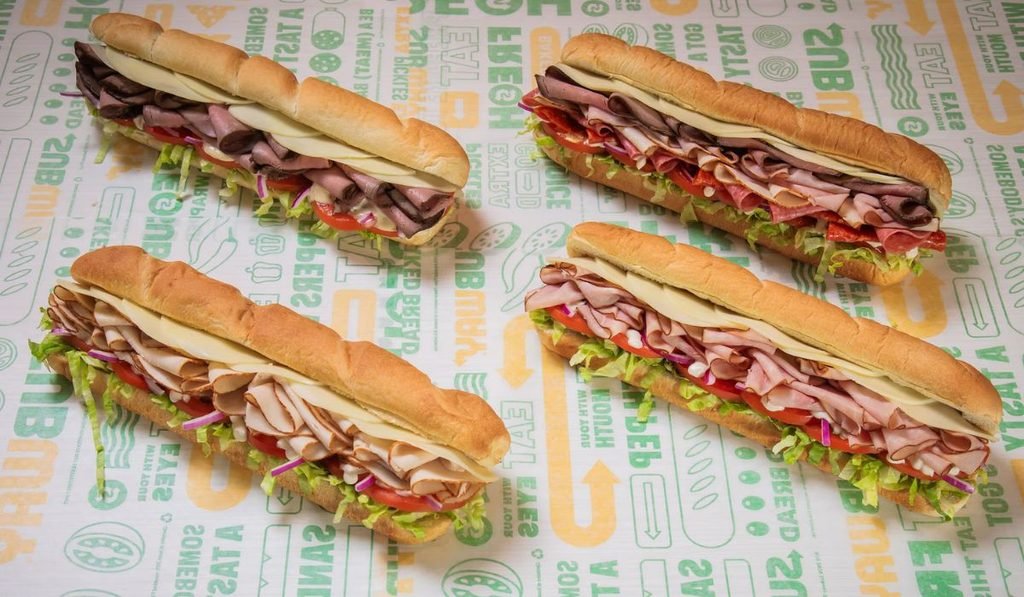
A sub sandwich, because who doesn’t love a small food comparison. A common example of this length is a foot-long sandwich, or the six-inch option many sandwich shops offer.
If you put a six-inch sandwich on a table, well, that is an obvious straight-line reference point. Also convenient because most have seen or held a sandwich of this size.
Bread can vary a little based on how it is made, so the labeled six-inch serving is probably better than an average sandwich that just looks like it.
2. A 4 × 6 Inch Photograph
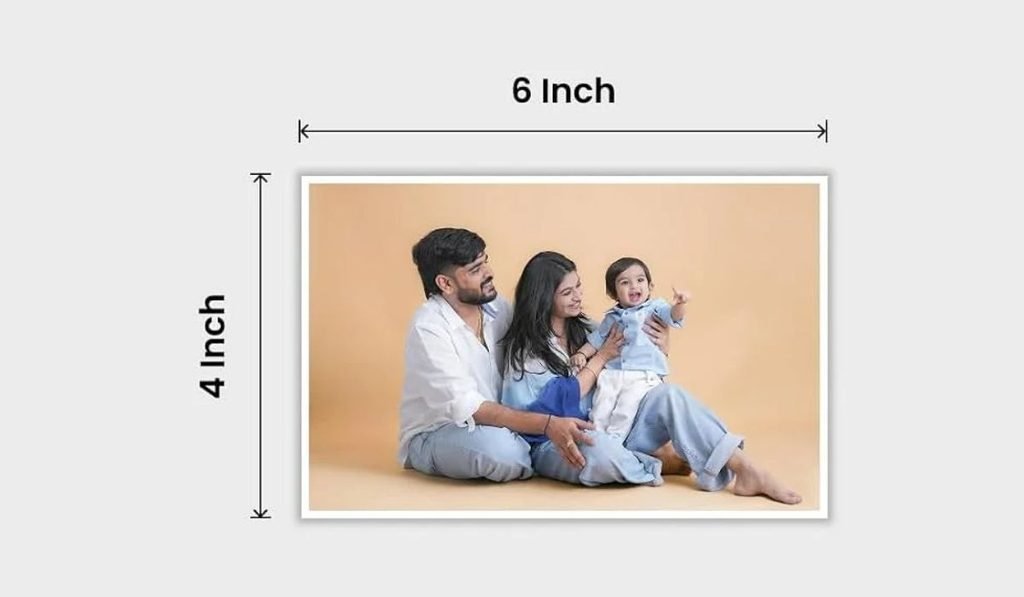
A regular 4 × 6 photo features one side that is equal to six inches.
All this makes a printed photograph one of the best visual references for the magnitude measurement. If you have a photograph where one edge is in this direction, put a ruler next to that longer edge.
6-inch Side = 15.24 cm This is a simple way to visualize length, particularly given that photographs are flat with straight edges.
3. A Six-Inch Ruler
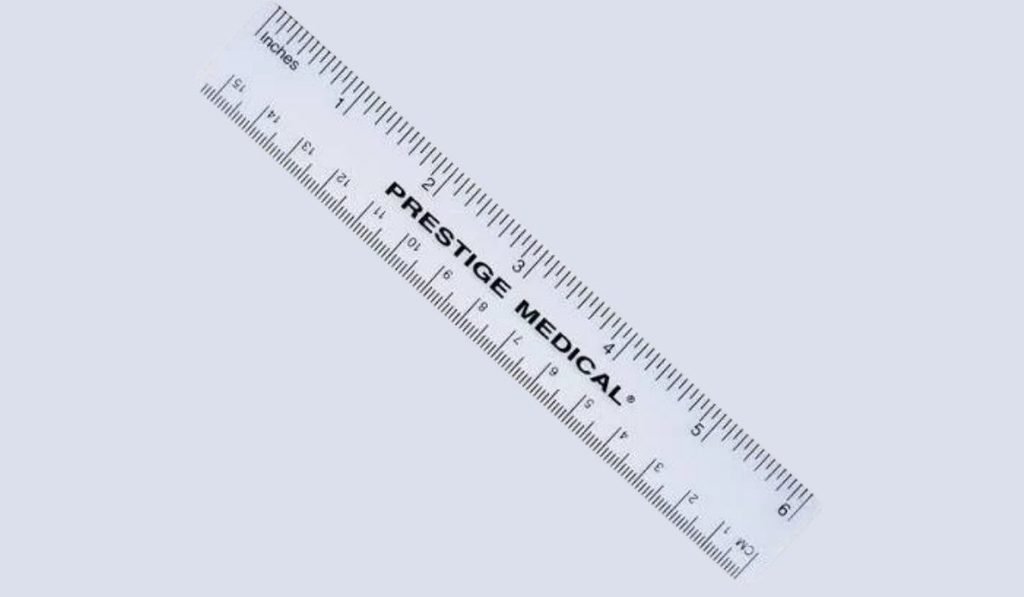
Well, a ruler (for example) that is meant to measure 6 inches long is of course a precise benchmark.
Usually small rulers are prepared by school supply stores, craft projects shops, other stores that sell office and toolkits. If the ruler is already marked at six inches, you can look directly from zero to six.
This is more accurate than measuring with your hand, because the ruler was made to be used for measurement.
4. A Small Cake Pan With a 6-Inch Diameter
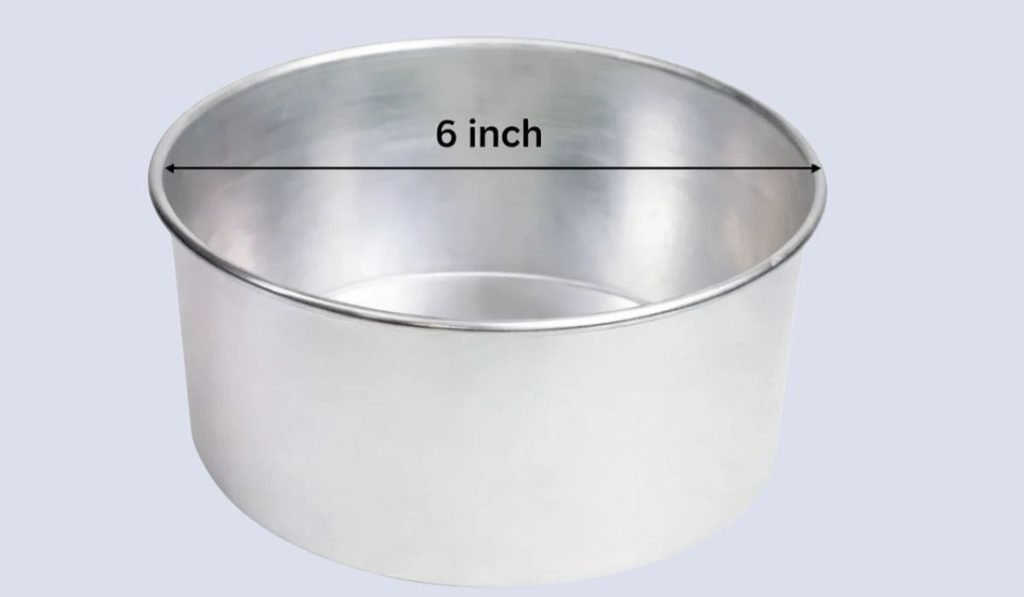
There are also six-inch small round baking pans. In the second case, a measurement is often given for the diameter of the round pan.
Set the pan on a level surface and visualize a straight line from edge to opposite edge through the center of the pan. That distance is six inches.
It is instructive here because it shows that six inches does not always measure crass-until-crassa dimensions, end-to-end. It can also be used to mean wide or broad.
5. A 6-Inch Action Figure
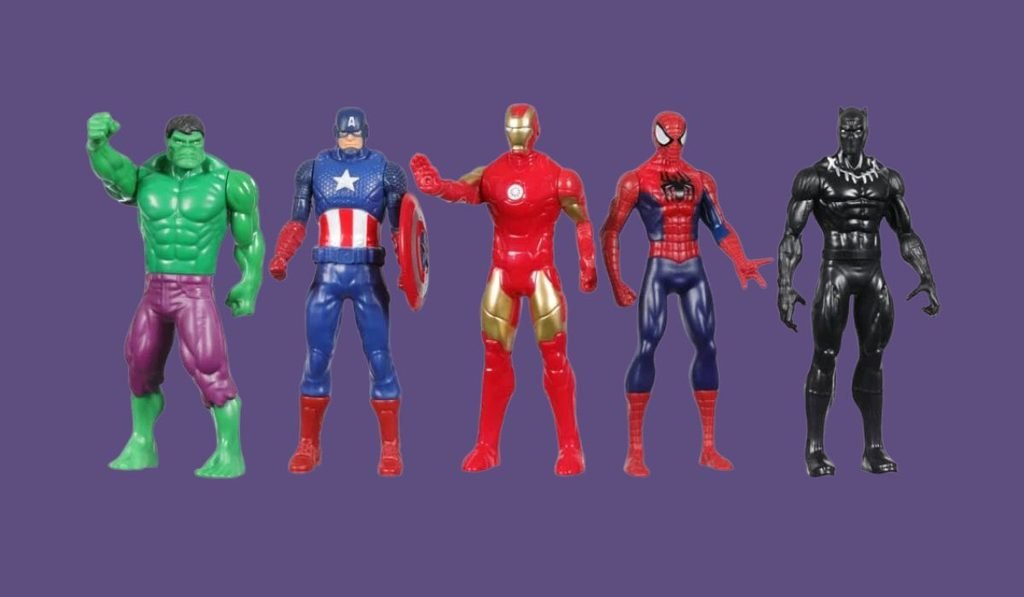
A few action figures and collectible figures are produced in the six-inch scale range.
Vertical comparison: useful advice is to stand one upright. Height varies slightly by manufacturer and character, but unless you want an exact six-inch example, then it’s best to consult the product size.
For a visual aid, though, a six-inch figure is simple enough to hold and test against other home items.
6. A Kitchen Knife With a 6-Inch Blade
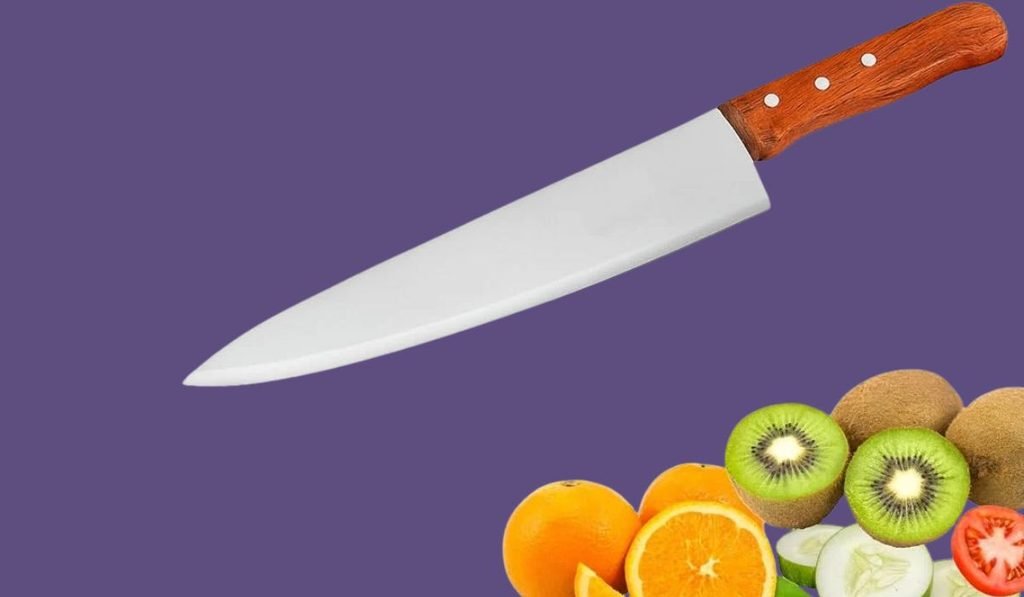
A six-inch version is one of many blade lengths offered for kitchen knives.
A six-inch blade provides a linear reference to be measured against a ruler or other physical object. When listing a knife as having a six-inch blade, generally you can think of the six inches being the blade and not the complete knife.
The handle adds on additional length, and thus the total knife is typically longer than six inches.
7. A Six-Inch Wooden Craft Stick
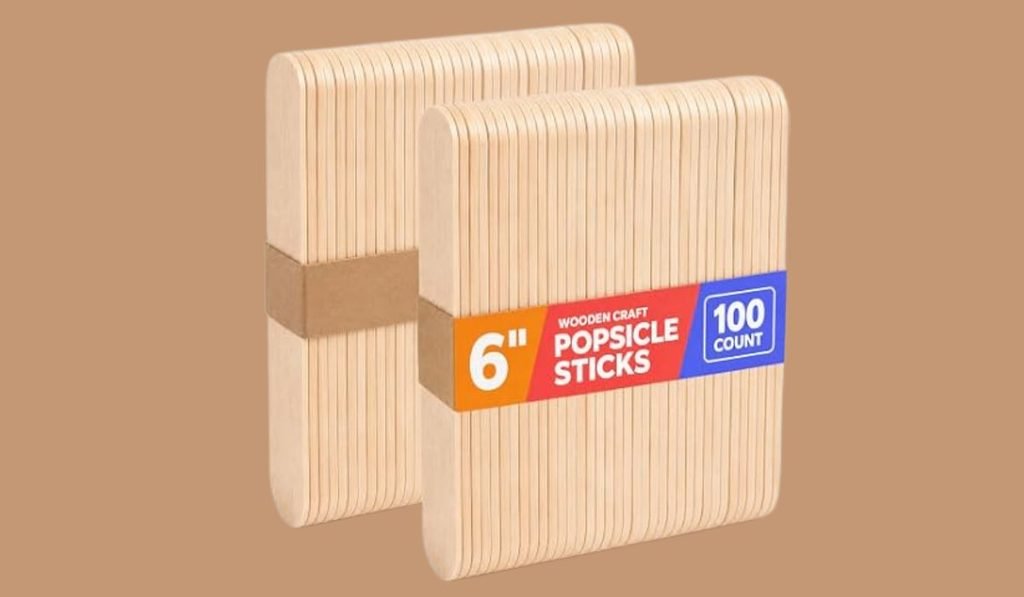
CrАft sticks, wooden strips, and hobby materials come in a variety of six-inch versions.
As there are no curves or irregular edges, a very straight wooden stick is also important as it has an easy measurement.
Have one stick labeled six inch, put next to anything and you can now use it as a reusable reference point. It can be particularly useful when working on craft projects where more or less exact measurements are required.
8. A Short PVC Pipe Section
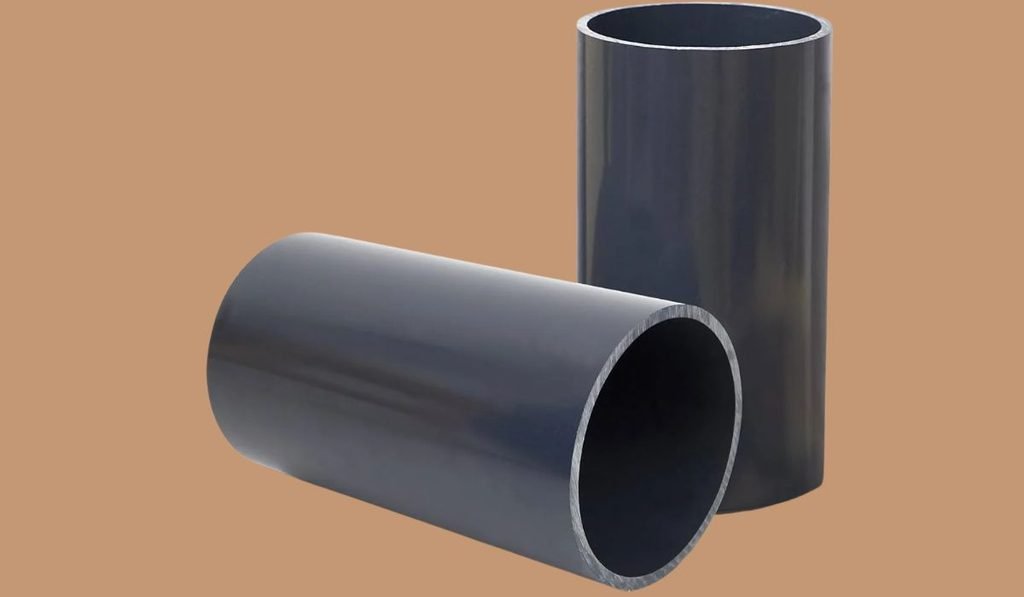
It can be cut to six inches and used for plumbing, DIY crafts, models and everything else.
In contrast to two-dimensional flat objects, a pipe shows that linearity can be assigned to cylindrical objects. The six-inch length should not be confused with the pipe’s diameter, which is a distinct measurement.
For example, a six-inch section of pipe is therefore an ideal example compact but distinctly finite.
9. A Small Makeup or Travel Mirror
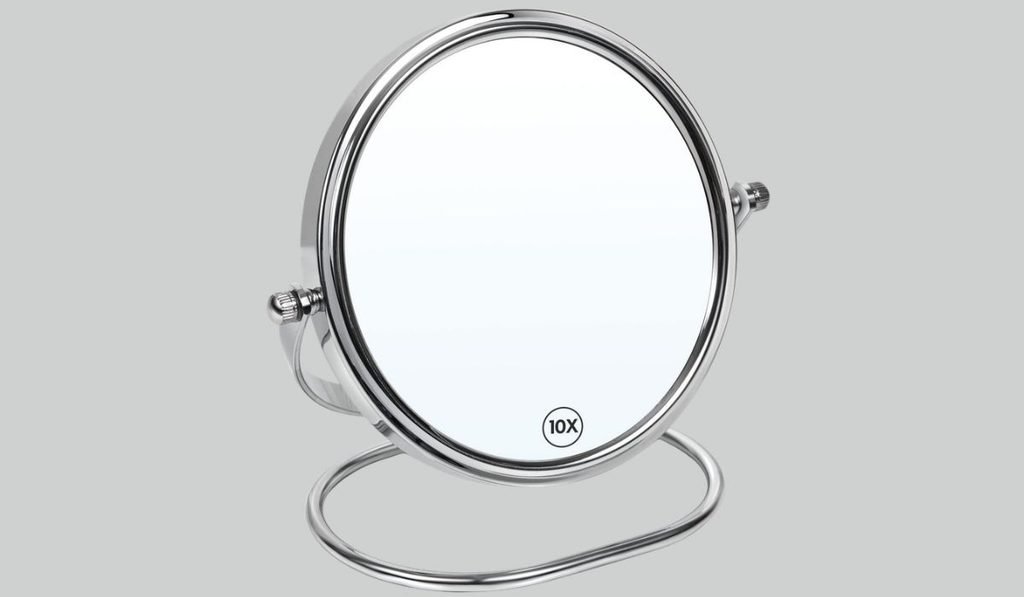
Some compact mirrors are even made with approximately six-inch sizes. Six inches may refer to the diameter of a product, height, width, or some other dimension.
That is why it is always a good idea to look at the dimensions that are in the manufacturer’s because we can’t treat any mirror as an exact six-inch threshold.
Still, a compact mirror makes for a good visual comparison, because it is the sort of thing that so many people could easily hold in one hand.
10. A Six-Inch Tablet or Small Display
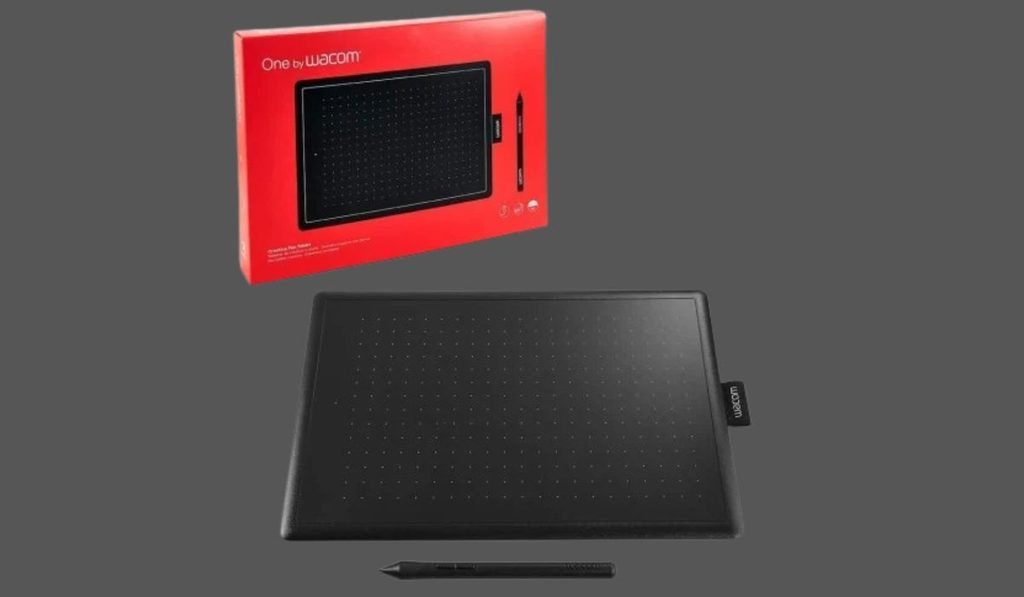
There are several electronic devices that have displays of about six inches.
There is a key distinction here: Display size is typically measured diagonally, not straight down from the top edge to the bottom edge.
Hence, a device that is marketed as a six-inch screen doesn’t physically be six inches tall. A good example of the importance of always reading text of measurement descriptions is depicted here.
11. Three Two-Inch Blocks
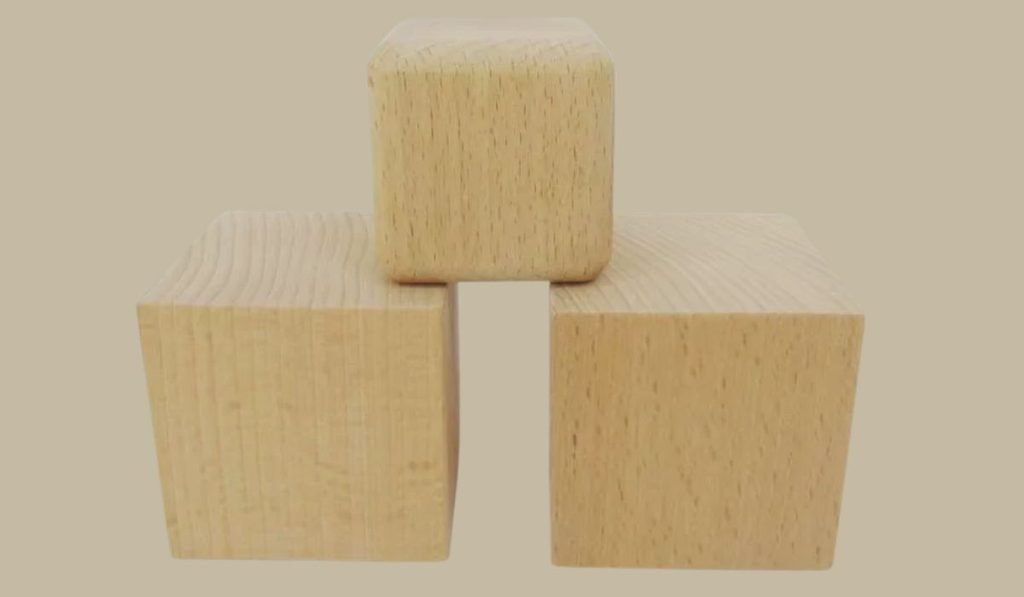
Placing three 2-inch blocks end to end is a simple way to create a six-inch reference.
If each block is two inches long, the length is:
2 + 2 + 2 = 6 inches
It’s great for kids, classrooms, craft projects, and basic demonstrations because the measurement is measurable instead of guessed.
12. A Long Measuring Spoon or Kitchen Utensil
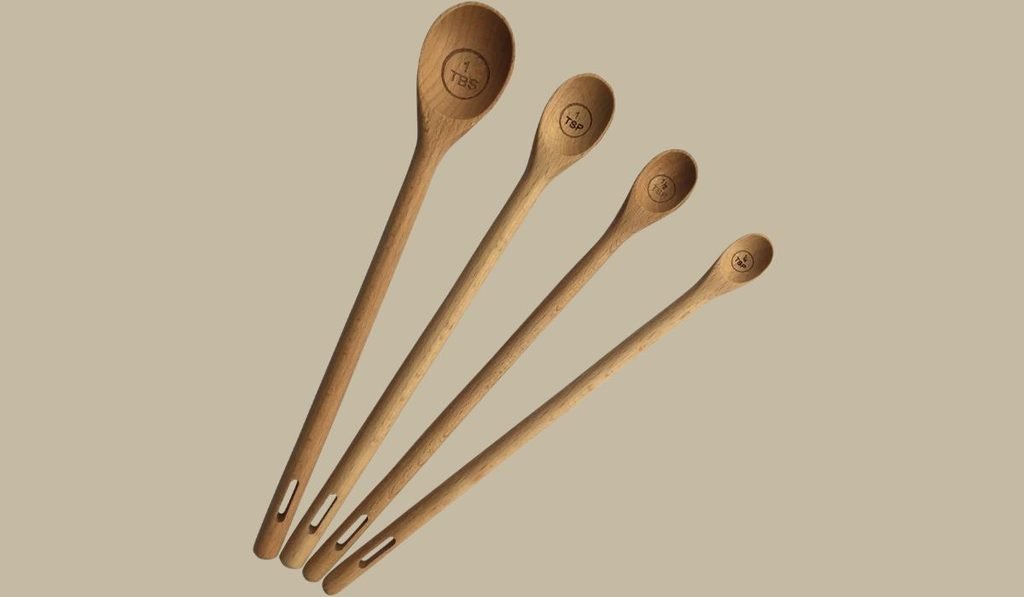
The overall lengths of some measuring spoons and kitchen utensils will measure approximately six inches.
This is virtually an everyday comparison except please note the actual sizes differ greatly between products, unless product specifications state 6-inch (150mm) in length.
If you have one that measures exactly six inches, it can serve as a helpful point of reference for when you need to eyeball this measurement.
13. A Six-Inch Notebook or Stationery Item
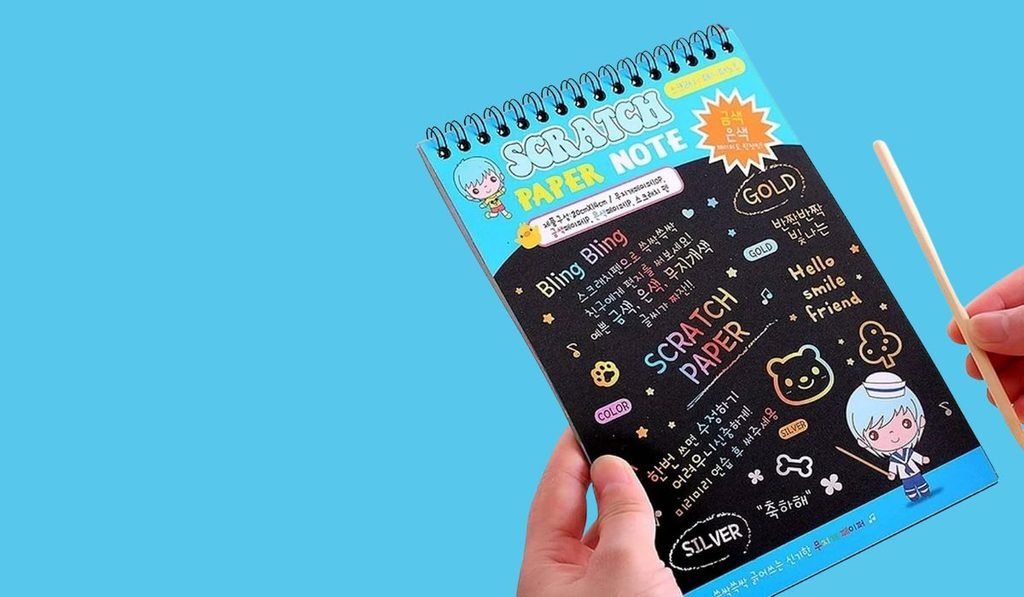
So many small notebooks, sketchbooks and other stationery products are sold at dimensions with one side being around six inches across.
An example could be that a notebook, as impacted by this size measuring height, width or diagonal. Keep in mind that notebook sizes vary per brand and model, so verify the announced dimensions before using one as an exact sizing measurement.
Stationery is great as it tends to have straight edges so visual comparison is easy.
14. A Six-Inch Piece of Cardboard
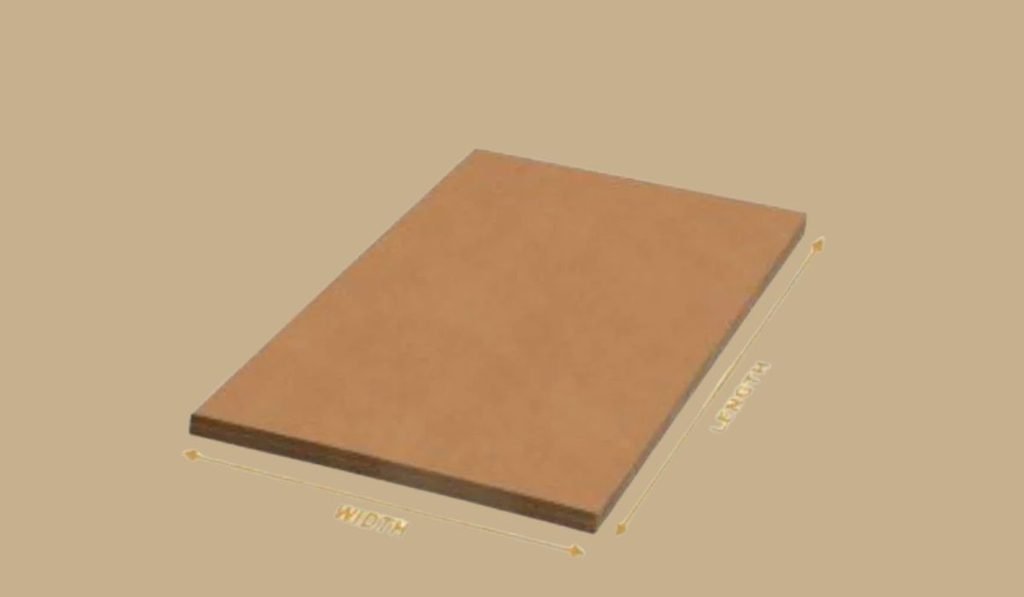
One of the simplest at-home references, a piece of cardboard cut to precisely six inches.
Get a ruler and a stripper – six inch strips. After that, just stow it in your desk drawer or toolbox for a little help when you may need it.
Useful especially if you find yourself constantly estimating six inches but not wanting to carry a tape measure.
What Does 6 Inches Look Like Compared With Your Hand?
Your hand makes for an easy, but inaccurate universal measuring tool.
There are adults, on one hand, with hands short of six inches and others who have hands that exceed this size. Apart from this, we also have different finger lengths, palm size and hand proportions.
One way around this is to measure your hand once If the distance from a point on your palm to your fingertip is roughly six inches, you can store that as a personal visual reference within yourself.
Because in your brain, it is much easier for you to remember a distance than a number by itself.
Is 6 Inches Considered Big or Small?
6 inches should, in most cases, be a fairly small dimension. More than a few inches but less than a foot!
Since half a foot is more than enough space for most common items, six inches usually yields something with good surface area without being too bulky to be held or transported comfortably.
How large you perceive it depends on exactly what you are measuring, however. Six inches is a pretty good size for a small electronic adjunct, but it’s awfully short when discussing furniture.
The key here is that 6″ always (irrespective of the object) stands for the same length.
Six Inches Compared With Other Common Measurements
| Length | Relationship to 6 Inches |
| 1 inch | One-sixth of 6 inches |
| 2 inches | One-third of 6 inches |
| 3 inches | Half of 6 inches |
| 4 inches | Two-thirds of 6 inches |
| 5 inches | One inch shorter |
| 6 inches | Reference length |
| 12 inches | Twice as long |
| 18 inches | Three times as long |
How to Measure 6 Inches Without a Ruler
If you need an estimate and have no straight edge, use a known object – do not rely solely on your eyesight.
This is important since for a 4 × 6 photograph, the long edge is six inches. It is possible to make your own reference strip of half a foot length using paper or cardboard.
After measuring it once, your hand will serve as an approximate measure.
Otherwise for everything where precision is required, a proper ruler, tape measure or another calibrated measurement instrument should be used.
Why Real Objects Make Measurements Easier to Understand
It is usually easier for people to recall what something of a certain size looked like than an abstract number.
That is, since a specific photograph has a side six-inch, for instance: it creates mental imagery. And when later someone tells you it’s six inches, mentally pull out that photograph in your head and compare it with this one.
With measurements, everyday examples are useful to use for learning. They turn a numerical value into something physical and familiar.
Where You May Encounter a 6-Inch Measurement
- Kitchen utensils
- Small baking equipment
- Tools
- Craft supplies
- Photographs
- Toys and collectibles
- Plumbing materials
- Electronic displays
- Stationery
- Home improvement projects
- Packaging
- Decorative items
A Quick Mental Trick for Remembering 6 Inches
The simplest mental trick is to Remember:
6 inches = half a foot = 15.24 cm
Next, visualize a six-inch ruler or perhaps the long edge of a 4 × 6 photograph.
You can also consider three equal parts of the two inches. Splitting a measurement into multiple parts makes it more digestible.
And after a few comparisons, you get used to how far that is.
FAQs
How long is 6 inches in centimeters?
Six inches is exactly 15.24 centimeters. It is also equal to 152.4 millimeters and 0.5 feet.
What does 6 inches look like?
Six inches looks roughly like the long side of a standard 4 × 6 photograph. A labeled six-inch ruler or object provides an even more reliable visual reference.
Is 6 inches half a foot?
Yes. One foot contains 12 inches, so six inches is exactly half of one foot.
How many millimeters are in 6 inches?
There are 152.4 millimeters in six inches.
Can I use my hand to measure 6 inches?
You can use your hand for an approximate measurement, but hand sizes vary. For accuracy, measure your hand first or use a ruler.
How can I remember the size of 6 inches?
Remember that six inches equals half a foot and 15.24 centimeters. A 4 × 6 photograph is also a convenient physical reference.
Final Thoughts
So, how long is 6 inches? Which happens to be both exactly 15.24 cm, or 152.4 mm, or half a foot. The number is easy enough as-is, but it’s certainly easier to imagine the measurement when comparing it to objects you know.
Using a tangible object as scale, such as a six inch ruler, 4 × 6 photograph, small sandwich, craft stick or kitchen utensil can help with practical comparisons.
These comparisons are helpful for every day estimation. Always use a calibrated measuring device when dimensions are critical, and verify whether the measurement refers to length or width/height or dia/diagonal size.
One Comment